
The Psychology of Bluffing
Bluffing in poker is as much a psychological battle as it is a strategic maneuver. To successfully execute a bluff, players must understand not just their own position at the table but also the tendencies and reactions of their opponents. A well-timed bluff can make an opponent fold a better hand, but this requires keen insight into how they perceive strength and weakness, especially when playing at a site known for its uk casino fast withdrawal options. Experienced players often employ psychological tactics to mislead their opponents, adjusting their behaviors to create a facade of confidence or trepidation.
Moreover, successful bluffing involves reading non-verbal cues and betting patterns. Players who can maintain a consistent demeanor, regardless of the strength of their hand, are often more convincing when they decide to bluff. Understanding the emotional states of opponents can also play a crucial role—if a player senses that an opponent is overly aggressive or overly cautious, they can adjust their bluffing strategy to exploit these tendencies. The ability to gauge when someone is likely to call a bluff is critical and often comes with experience.
Ultimately, mastering the psychology of bluffing requires practice and a willingness to learn from both wins and losses. Every encounter at the poker table presents a new opportunity to refine your skills. By analyzing previous games and understanding how different opponents reacted to your bluffs, you can develop a style that plays to your strengths. This ongoing process of psychological adaptation is key to becoming proficient in the art of bluffing in poker.
Knowing When to Bluff
Timing is everything in the realm of poker bluffing. Determining the right moment to make a bluff can significantly impact the outcome of a hand. Generally, the best times to bluff are when the community cards indicate potential winning hands and when your own hand is weak but has the potential to convince others of its strength. For instance, if the flop presents a rainbow of cards, it may lead other players to believe that you have a strong hand.
Another strategic moment to bluff is during the late stages of a hand, particularly if you are in a position to act last. This allows you to gauge the actions of other players before committing to a bluff. If the opponents show weakness—such as checking or making small bets—this could be a sign that they might fold to a more aggressive bet. Recognizing these patterns and understanding the flow of the game will empower you to make informed decisions about when to bluff.
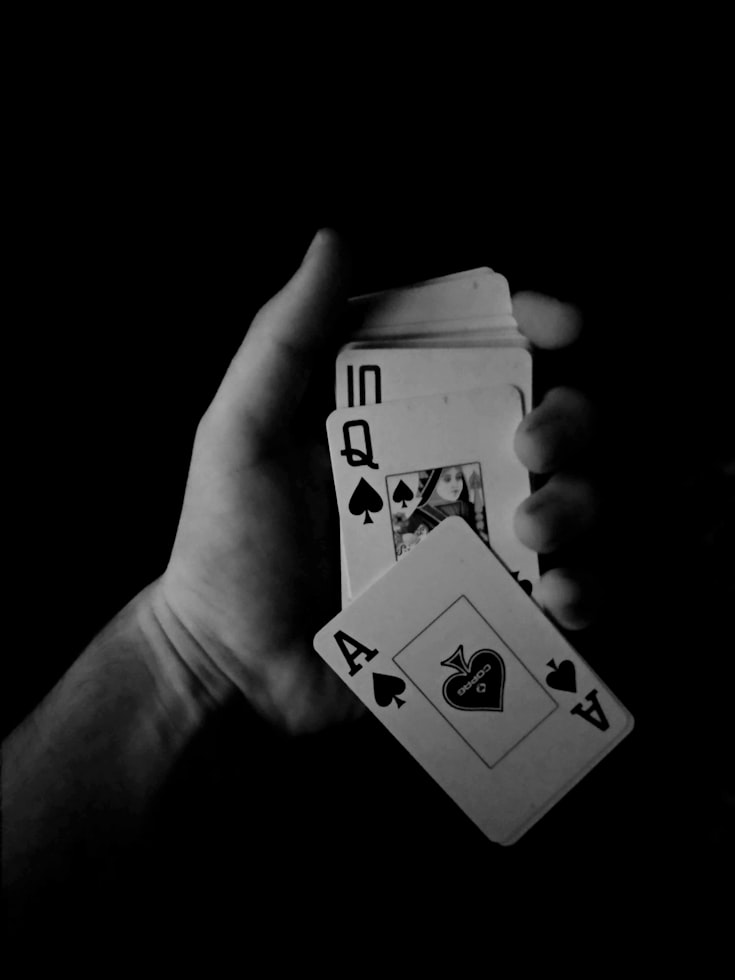
However, it is equally important to be cautious of over-bluffing. Players who frequently attempt feigned hands can establish a reputation that makes them less credible. Successful bluffing is about creating a balanced strategy that incorporates occasional bluffs mixed with genuine strong plays. By varying your approach, you can keep opponents guessing and maintain the element of surprise, which is essential for effective bluffing in poker.
Recognizing Opponent Dynamics
A key component of successful bluffing is understanding your opponents’ dynamics. Each player has a unique playing style, and being able to identify these styles can help you determine when to bluff and how much to bet. For example, aggressive players are more likely to call bluffs, as they often operate under the assumption that players will not risk their chips lightly. In contrast, more passive players may be easier to bluff as they tend to play cautiously and fold unless they have a strong hand.
Moreover, observing the moods of players at your table can provide valuable insight. If an opponent is visibly frustrated or anxious, they may be more inclined to fold, making it a perfect moment to execute a bluff. Conversely, if a player is on a winning streak, their confidence might lead them to call your bluff more readily. Understanding these emotional cues, alongside their betting patterns, is crucial for developing an effective bluffing strategy.
Additionally, adjusting your bluffing tactics based on your position at the table can be advantageous. Players in late positions have the advantage of acting after their opponents, allowing them to make more informed decisions about whether to bluff. The dynamics at a poker table are constantly shifting, and being able to adapt your approach based on the unique interplay of players will enhance your bluffing prowess.
The Art of Betting Patterns
Betting patterns play a significant role in the art of bluffing. A well-structured bluff should mirror a consistent betting style, making it harder for opponents to detect deception. For instance, if a player always bets a certain amount with strong hands, mirroring this pattern while bluffing can add an element of believability. This inconsistency can lead opponents to question their own confidence in their hands, allowing you to seize the advantage.
Moreover, employing strategic bet sizing is crucial when bluffing. A small bet may be perceived as a weak play, while a large bet can intimidate opponents, making them more likely to fold. Finding the perfect balance, based on the dynamics of the specific game and the tendencies of individual players, is key. Gradually increasing bets in a series of rounds can increment the tension, making your opponents second-guess their hands as they weigh the risks against potential rewards.
Additionally, bluffing at various stages of a hand can yield different results. A successful bluff at the river, for instance, can be much more impactful than an early bluff, as players have more information about the community cards and potential hands by that point. In this sense, understanding the flow of the game and wisely utilizing betting patterns will significantly enhance the effectiveness of your bluffing strategy at the poker table.
Your Poker Journey: Learn and Evolve
As you delve into the art of bluffing in poker, remember that every player’s journey is unique. The world of poker provides endless opportunities for learning and growth. Engaging with various styles of play and participating in different games can broaden your understanding and enhance your skills. Whether you play casually with friends or in more competitive environments, each experience offers lessons that sharpen your bluffing tactics.
Participating in poker forums or watching educational resources can also provide insights from seasoned players. These platforms not only offer strategic advice but also allow you to engage in discussions that delve into the psychological aspects of bluffing. By analyzing real game situations and sharing experiences, you can accelerate your learning curve and adapt your strategies accordingly.
Lastly, it’s essential to reflect on your gameplay after each session. Keeping track of your bluffing successes and failures will not only help you gauge your progress but also refine your approach over time. With dedication, perseverance, and a keen sense of observation, you can master the art of bluffing in casino poker games, ultimately making your gameplay more exciting and rewarding.